
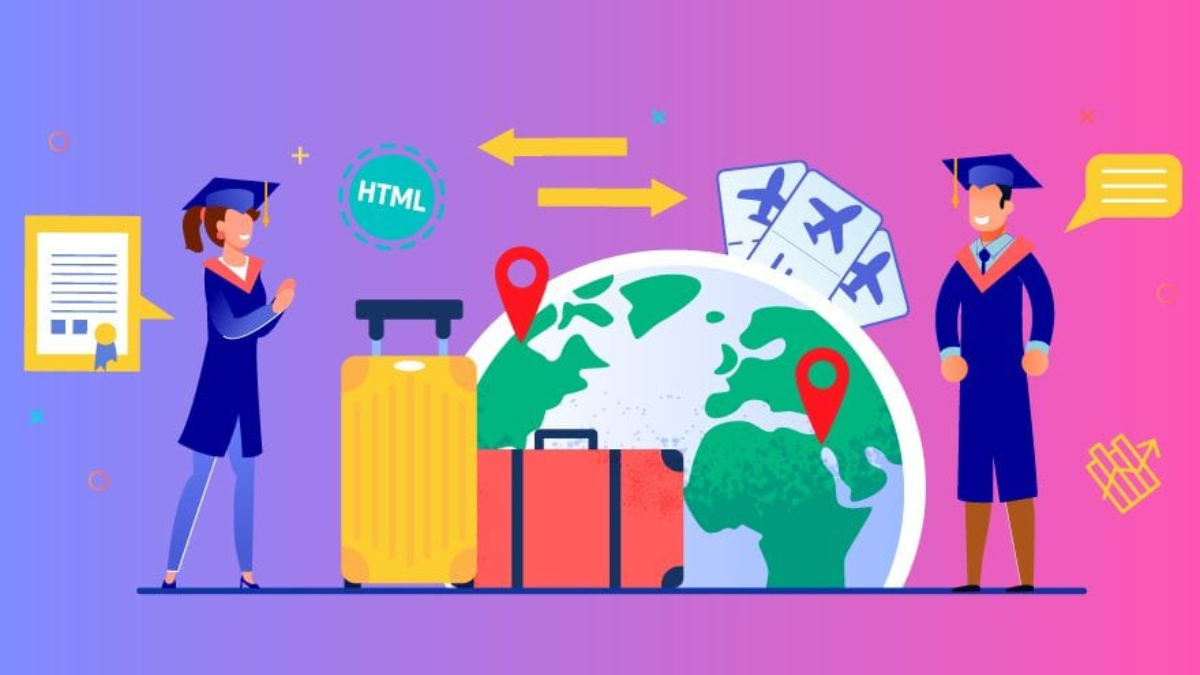
University exchange programs are a transformative educational experience that allows students to study at a partner institution in another city or country for a semester, year, or short-term program. These programs provide students with the opportunity to experience different academic systems, immerse themselves in new cultures, and develop skills that go beyond the classroom. Exchange programs are not just about academics; they foster personal growth, global awareness, and professional development, making them a valuable addition to any student’s university journey.
What Are University Exchange Programs?
University exchange programs involve a formal agreement between two universities, allowing students to study abroad while remaining enrolled at their home institution. Credits earned during the exchange typically transfer back to the home university, ensuring that students continue their academic progress without interruption. Programs can vary in duration, location, and academic focus, offering students flexibility based on their goals and interests.
Types of Exchange Programs
- Semester or Year-Long Exchange: Students spend one semester or an entire academic year at a partner university, taking courses that count toward their degree.
- Short-Term Exchange: Programs lasting a few weeks or months, often during summer or winter breaks, focusing on specialized courses or projects.
- Research-Based Exchange: Students collaborate on research projects at a host university, gaining exposure to international research practices and methodologies.
- Language Immersion Exchange: Focused on learning or improving a foreign language while engaging in academic courses and cultural activities.
Benefits of Participating in Exchange Programs
Participating in an exchange program provides a wide range of benefits for university students, both academically and personally.
Academic Advantages
- Exposure to different teaching methods and academic perspectives.
- Opportunity to study courses or programs not offered at the home university.
- Access to research opportunities, laboratories, and specialized resources.
Personal Growth
- Develop independence, adaptability, and problem-solving skills.
- Gain confidence in navigating new environments and overcoming challenges.
- Enhance self-awareness and emotional intelligence through diverse experiences.
Cultural Exposure
- Immersion in new cultures, languages, and social norms.
- Experience local traditions, festivals, and lifestyles.
- Build cross-cultural communication skills essential for global careers.
Career Development
- Develop a global perspective valued by employers.
- Gain international networking opportunities with peers, professors, and professionals.
- Strengthen resumes and enhance employability with international experience.
Social and Networking Opportunities
- Form lasting friendships with students from different countries.
- Engage in cultural exchange activities, student organizations, and community service.
- Build a professional network for future academic or career opportunities.
How to Apply for Exchange Programs
Applying for an exchange program requires planning, research, and careful preparation to maximize chances of acceptance.
Research Partner Universities
- Identify universities that align with your academic goals, language skills, and personal interests.
- Consider course offerings, faculty expertise, campus resources, and location.
Meet Eligibility Requirements
- Check GPA, language proficiency, and prerequisite course requirements.
- Ensure your academic and personal profile meets the host university’s standards.
Prepare Application Materials
- Academic transcripts and letters of recommendation.
- Personal statement or essay explaining motivation and goals for participating in the exchange.
- Language proficiency test scores (if applicable).
- Resume or CV highlighting relevant experiences and skills.
Application Deadlines
- Start research and application process well in advance, usually 6–12 months prior to departure.
- Ensure all documents are submitted before deadlines and follow university instructions carefully.
Interview Preparation
- Some programs may require interviews to assess motivation, adaptability, and readiness.
- Practice explaining your academic interests, career goals, and reasons for choosing the host university.
Preparing for the Exchange Program
Proper preparation ensures a smooth and enriching exchange experience.
Financial Planning
- Budget for tuition, travel, living expenses, insurance, and emergencies.
- Explore scholarships, grants, or funding opportunities offered by home or host universities.
Travel and Visa Arrangements
- Obtain necessary visas, passports, and travel insurance.
- Research entry requirements and legal obligations for the host country.
Academic Planning
- Verify course equivalencies and credit transfers with the home university.
- Plan course schedules to align with graduation requirements and academic goals.
Cultural Preparation
- Learn about the host country’s culture, etiquette, and social norms.
- Take basic language courses or practice communication skills if studying in a non-native language environment.
Health and Safety
- Get necessary vaccinations and health clearances.
- Learn about local healthcare facilities, emergency contacts, and safety precautions.
Making the Most of Your Exchange Experience
Engage Academically
- Attend lectures, participate in discussions, and collaborate on group projects.
- Seek guidance from professors and academic advisors at the host university.
Explore Culturally
- Participate in local events, travel, and cultural immersion activities.
- Interact with local students to gain a deeper understanding of the host culture.
Build Professional Networks
- Attend workshops, conferences, or seminars related to your field.
- Maintain connections with peers, faculty, and mentors for future opportunities.
Reflect and Document
- Keep a journal or blog to track experiences, challenges, and achievements.
- Reflect on personal growth and skills gained during the exchange.
Give Back
- Participate in community service or volunteer activities.
- Share experiences with peers at your home university to inspire others.
Challenges of Exchange Programs
While exchange programs are rewarding, students may face challenges that require adaptability and resilience.
Homesickness
- Being away from family and friends can cause emotional strain.
- Regular communication with loved ones and building new social connections can help.
Cultural Adjustment
- Adapting to new cultural norms, social behaviors, and educational systems may be challenging.
- Maintain an open mind and seek support from peers or university services.
Financial Constraints
- Exchange programs can be costly, including tuition, travel, and living expenses.
- Scholarships, budgeting, and part-time opportunities can alleviate financial burdens.
Academic Differences
- Teaching styles, grading systems, and course expectations may differ from the home university.
- Seek academic support or mentoring if needed to adjust.
Language Barriers
- Communication challenges may arise in non-native language environments.
- Engage in language practice and cultural activities to improve proficiency.
Post-Exchange Opportunities
Resume Enhancement
- Highlight exchange program experiences, skills, and international exposure on resumes.
- Showcase adaptability, cultural competence, and global awareness to potential employers.
Academic Advancement
- Apply knowledge and insights gained abroad to future coursework and research projects.
- Consider further studies or graduate programs internationally.
Career Prospects
- Exchange programs strengthen employability by demonstrating global perspective and problem-solving skills.
- Network connections can lead to internships, mentorships, or job offers abroad or at home.
Personal Growth
- Reflect on experiences to set new personal and professional goals.
- Develop independence, confidence, and adaptability that will benefit future challenges.
Conclusion
University exchange programs offer students an unparalleled opportunity to broaden their horizons academically, personally, and professionally. By immersing in new cultures, engaging with diverse peers, and exploring different academic systems, students develop skills and perspectives that are invaluable in today’s globalized world. While challenges such as cultural adjustment, financial planning, and language barriers exist, careful preparation and an open-minded approach maximize the benefits of the experience. Participating in exchange programs not only enriches education but also lays a strong foundation for a successful career and lifelong learning.
FAQs
1. What is a university exchange program?
A university exchange program allows students to study at a partner university abroad while remaining enrolled at their home institution, with credits often transferable.
2. How long do exchange programs typically last?
Exchange programs can range from a few weeks in short-term programs to one semester or a full academic year for longer-term programs.
3. Are exchange programs only for students studying abroad?
No, exchange programs can also take place within the same country if universities have formal partnerships, though international exchanges are most common.
4. How can I find suitable exchange programs?
Check your university’s international office, online exchange platforms, partner university listings, and professional associations in your field.
5. What are the main benefits of participating in an exchange program?
Exchange programs provide academic growth, cultural exposure, personal development, networking opportunities, career enhancement, and global perspective.