
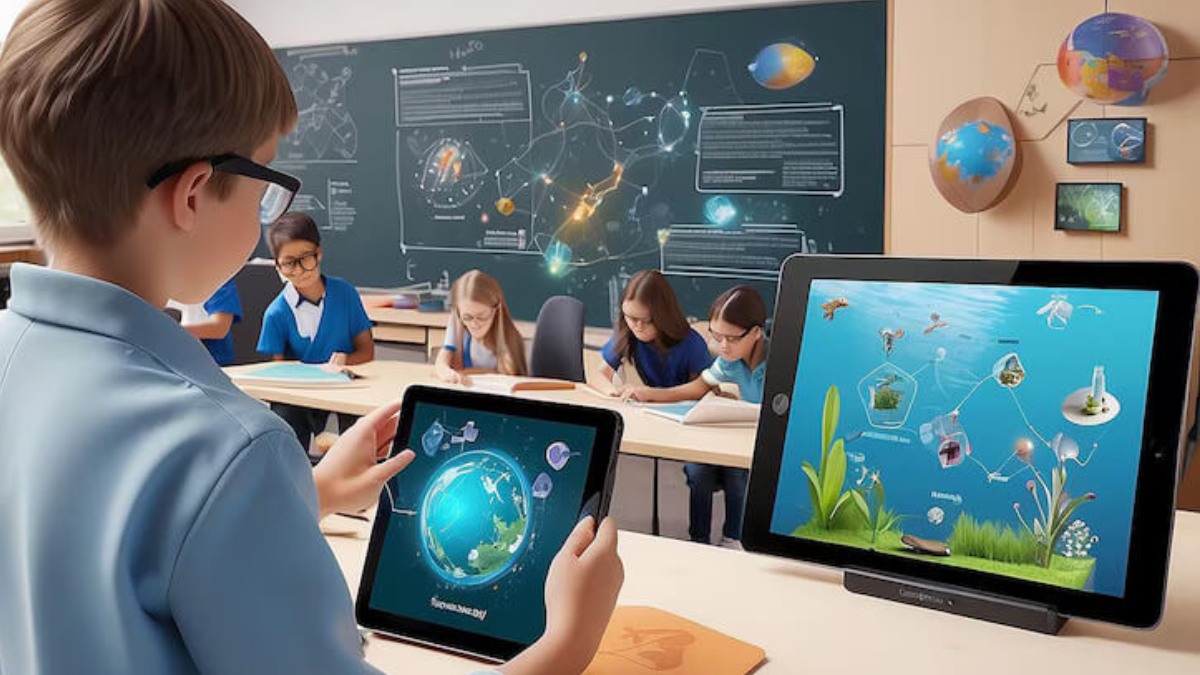
Education is evolving rapidly, and universities are at the forefront of this transformation. Traditional lecture-based teaching is giving way to innovative methods that enhance learning, engagement, and critical thinking. Modern universities are adopting new pedagogical strategies, digital technologies, and collaborative approaches to prepare students for the dynamic demands of the 21st century.
1. Flipped Classroom Model
- Concept: Students study lecture materials at home through videos or readings and engage in interactive discussions, problem-solving, and hands-on activities in class.
- Benefits:
- Encourages active learning
- Enhances student participation
- Provides more time for one-on-one interaction with instructors
2. Blended Learning
- Concept: Combines online digital content with traditional classroom teaching.
- Features:
- Online modules, quizzes, and discussion forums
- In-person sessions for practical exercises, group work, and mentoring
- Benefits:
- Flexible learning pace
- Accessibility to resources anytime, anywhere
- Personalized learning paths
3. Experiential and Project-Based Learning
- Concept: Students learn through real-world projects, internships, and hands-on experiences.
- Benefits:
- Bridges the gap between theory and practice
- Develops problem-solving and critical thinking skills
- Encourages collaboration and teamwork
4. Use of Technology and Digital Tools
- Virtual Labs: Simulate experiments in science, engineering, and healthcare without physical constraints.
- Augmented and Virtual Reality (AR/VR): Immersive learning experiences for complex subjects like medicine, architecture, and engineering.
- Learning Management Systems (LMS): Platforms like Moodle or Blackboard organize materials, assignments, and assessments efficiently.
- Interactive Apps and Simulations: Engage students in gamified learning experiences and scenario-based training.
5. Collaborative and Peer Learning
- Concept: Students work together to solve problems, share knowledge, and provide feedback.
- Benefits:
- Enhances communication and teamwork skills
- Encourages diverse perspectives
- Reinforces understanding through teaching peers
6. Personalized Learning and Adaptive Education
- Concept: Uses AI and data analytics to tailor learning experiences according to individual student needs.
- Benefits:
- Identifies learning gaps and strengths
- Provides targeted resources and exercises
- Supports self-paced and mastery-based learning
7. Gamification in Education
- Concept: Incorporates game elements like points, leaderboards, and challenges to make learning engaging.
- Benefits:
- Motivates students through rewards and competition
- Enhances participation and retention
- Makes complex concepts easier to understand
8. Experiential Workshops and Interdisciplinary Learning
- Workshops: Hands-on sessions in labs, studios, or industry settings.
- Interdisciplinary Courses: Combines knowledge from multiple fields to solve real-world problems.
- Benefits:
- Encourages innovation and creativity
- Prepares students for complex challenges in professional life
9. Continuous Assessment and Feedback
- Concept: Regular evaluations instead of one-time exams.
- Methods: Quizzes, peer assessments, presentations, and reflective journals.
- Benefits:
- Helps track student progress
- Provides timely feedback for improvement
- Reduces stress associated with high-stakes exams
Conclusion
Modern universities are transforming education through innovative teaching methods that prioritize active learning, technology integration, collaboration, and personalized experiences. These approaches not only enhance knowledge acquisition but also prepare students with critical thinking, problem-solving, and real-world skills necessary for career success. By embracing these methods, universities are creating a more engaging, flexible, and effective learning environment for the next generation of professionals.
FAQs
Q: What is a flipped classroom?
A: A flipped classroom allows students to learn lecture material at home and engage in interactive problem-solving and discussions in class.
Q: How does gamification improve learning?
A: Gamification makes learning engaging through rewards, challenges, and interactive elements, increasing participation and retention.
Q: What is the role of technology in modern teaching?
A: Technology, including virtual labs, AR/VR, LMS platforms, and digital simulations, enhances understanding, accessibility, and engagement.
Q: Why is experiential learning important?
A: It bridges the gap between theory and practice, providing hands-on experience and real-world problem-solving skills.
Q: How do personalized learning approaches benefit students?
A: Personalized learning tailors content and pace to individual needs, improving understanding, retention, and mastery of subjects.