
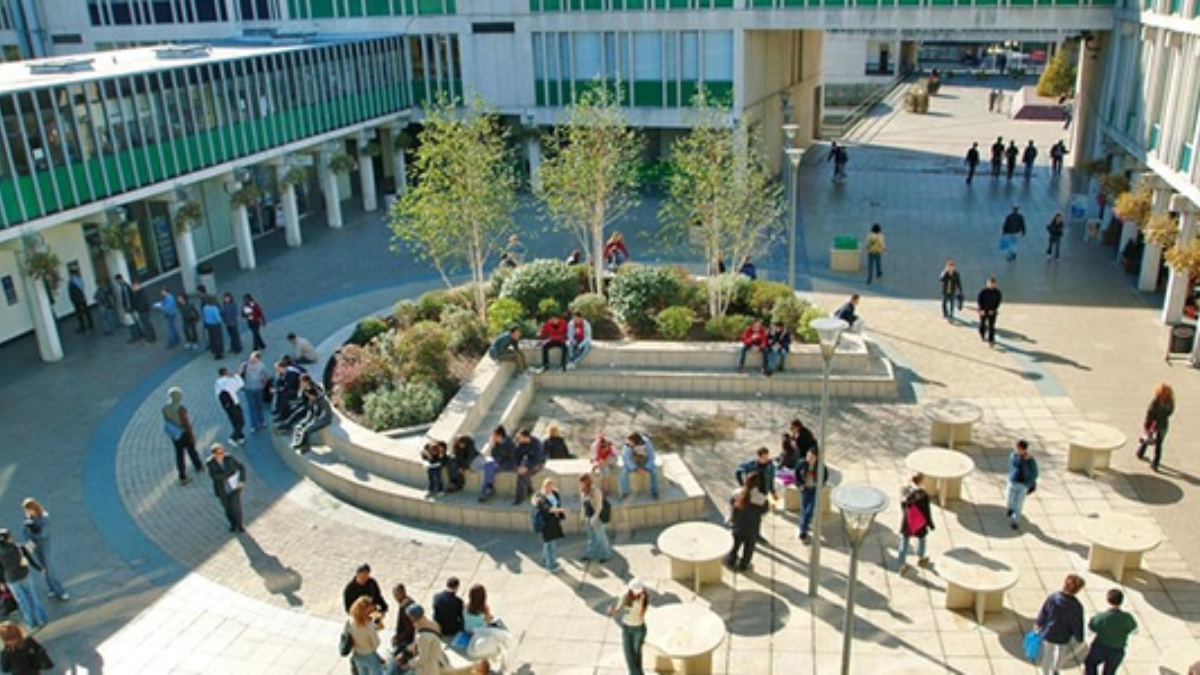
Starting university is an exciting milestone that marks a new chapter in personal and academic growth. Campus life goes beyond classrooms and exams—it offers opportunities for learning, socializing, personal development, and building lifelong connections. Understanding what to expect can help students adjust quickly and make the most of their university experience.
1. Academic Life
Classes and Lectures
University courses are typically more self-directed than school. Students can expect:
- Large lectures with dozens or hundreds of peers
- Smaller tutorial or seminar groups for in-depth discussion
- Professors encouraging critical thinking and independent research
Assignments and Assessments
- Regular assignments, essays, and projects
- Midterms, finals, and continuous assessment methods
- Emphasis on self-discipline and time management
Research Opportunities
- Access to libraries, labs, and online databases
- Participation in faculty-led research projects
- Opportunities to publish or present academic work
2. Social Life and Networking
Making Friends
- Meeting people from diverse backgrounds
- Joining clubs, societies, and interest groups
- Building friendships that may last a lifetime
Campus Events
- Cultural festivals, guest lectures, and sports competitions
- Workshops, seminars, and networking events
- Opportunities for personal growth and exposure
Networking
- Connecting with peers, professors, and alumni
- Building professional contacts for future careers
- Engaging in collaborative projects and student initiatives
3. Extracurricular Activities
- Sports teams, fitness clubs, and intramural competitions
- Music, drama, dance, and creative arts clubs
- Student leadership positions and volunteering opportunities
- Hackathons, entrepreneurship programs, and innovation labs
4. Independence and Responsibility
- Managing time, finances, and personal schedules
- Balancing academics, social life, and self-care
- Making decisions about health, diet, and lifestyle
- Learning life skills, such as cooking, budgeting, and problem-solving
5. Campus Facilities and Resources
Libraries and Study Spaces
- Quiet areas for focused study
- Group study rooms and collaborative spaces
- Access to digital resources and research tools
Accommodation
- On-campus dormitories or university-managed housing
- Shared rooms, communal kitchens, and social spaces
- Off-campus housing options and commuting considerations
Health and Wellness
- Campus health centers and counseling services
- Mental health support and stress management resources
- Fitness centers, gyms, and recreational facilities
6. Challenges Students May Face
- Homesickness and adapting to a new environment
- Academic pressure and workload management
- Financial stress and budgeting challenges
- Social adjustment and maintaining mental well-being
7. Tips for a Successful Campus Experience
- Get Involved: Join clubs, societies, or volunteer opportunities.
- Manage Time Wisely: Balance academics, social life, and personal time.
- Seek Support: Use counseling, tutoring, and health services when needed.
- Build Connections: Network with peers, professors, and alumni.
- Stay Organized: Keep track of assignments, deadlines, and campus events.
Conclusion
Campus life is a blend of academics, social interactions, personal growth, and professional development. By actively participating, managing responsibilities, and utilizing available resources, students can maximize their university experience. It is a time to learn, explore, and prepare for future careers while forming lifelong relationships and memories.
FAQs
Q: How is university life different from school life?
A: University life offers more independence, diverse social opportunities, and requires self-discipline for academics and personal management.
Q: What extracurricular activities are available on campus?
A: Sports, arts, cultural clubs, student organizations, volunteering, and leadership programs are common.
Q: How can students manage homesickness?
A: Staying connected with family, building friendships, and engaging in campus activities help ease homesickness.
Q: Are campus resources like counseling available to all students?
A: Yes, universities provide counseling, health services, and academic support for all students.
Q: How can students balance academics and social life?
A: Effective time management, setting priorities, and creating a structured schedule help maintain balance.